Grand Slam of Darts: Where Rivals Collide
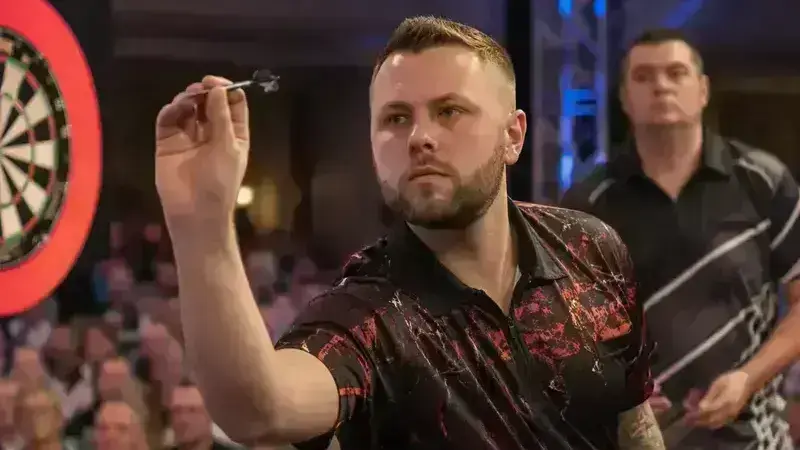
Wolverhampton in November, and a player in BDO colours squares up to a PDC star who's spent years insisting his tour is stronger. For a long stretch of darts history, this was the only stage where that argument got settled with tungsten.
The Grand Slam of Darts is one of the PDC's televised majors, and it stands apart for two reasons. It's the only major with a group stage, and it carries a history as the sport's great cross-code battleground.
What Is the Grand Slam of Darts?
First held in 2007, the Grand Slam gathers champions and finalists from the season's biggest televised events. The point is a field of proven big-stage performers, not just whoever sits highest in the rankings.
Because entry comes from winning things, the draw is always dense with champions. There's no such thing as an easy group.

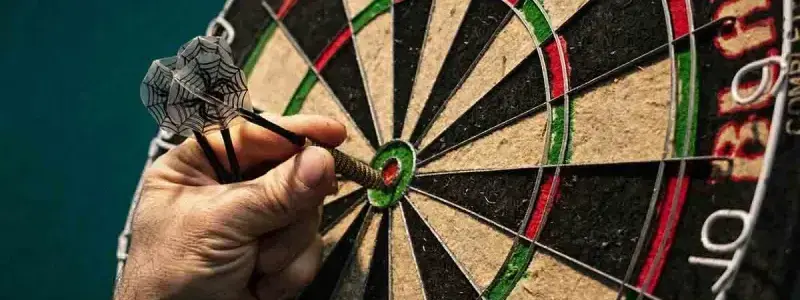
- Built to official tournament specifications for serious practice and match play
- Dual-density core improves dart retention and keeps the board playing consistently
- Ultra-thin wiring increases the scoring area and cuts down on bounce-outs
The Cross-Code Story
Through the 1990s and 2000s, darts was split into two rival codes — the PDC and the BDO — and fans argued endlessly about whose stars were better. Each side even crowned its own world champion.
The Grand Slam finally put both camps on the same stage, which gave it an edge no other event had. Scott Waites made history in 2010 by becoming the only BDO player to win it — a result that's still talked about.
How the Format Works
The Grand Slam is the only PDC major with a round-robin group stage. Players are drawn into groups of four, and everyone plays everyone in short, legs-only matches.
The top two in each group advance to a knockout bracket. From the last 16 through the quarter-finals, semi-finals, and final, the matches keep getting longer.
Why the Group Stage Matters
Groups mean one bad session doesn't instantly end your tournament — a rare mercy in darts. They also serve up maths-heavy final group nights where leg difference can decide who survives.
For viewers, every big name is guaranteed at least three matches. That's a big part of how the event fills nine-plus days of television.
Champions
Phil Taylor dominated the early editions and won the title multiple times. The modern roll of honour is stacked too: Michael van Gerwen has won it, and Gerwyn Price turned the event into a personal stronghold with multiple victories.
The trophy has never gone cheaply. A winner has to survive a group, then a gauntlet of major champions in the knockout rounds.
Quick Reference
- When: every November
- Where: Wolverhampton, England
- Format: groups of four, then a legs-only knockout
- Claim to fame: the event that staged PDC vs BDO clashes
- Notable: Scott Waites, the only BDO winner (2010)
Grand Slam FAQs
How do players qualify?
Mostly by winning or reaching finals of the big televised tournaments, with the remaining spots filled through qualifiers. A deep run at the PDC World Championship is a classic route in.
Is it a ranking event?
In the modern era, yes — its prize money counts toward the PDC Order of Merit. That wasn't the case in its early years.
Next time a final group night comes down to leg difference, grab a pen and run the permutations yourself — you'll feel exactly what the players are juggling up there.