
Choosing Flights: Small Part, Big Mistake
Ten feet from the board, your dart starts fishtailing like a paper plane in a crosswind, then slaps the wire flat instead of sticking. The throw was clean — the crumpled flight on the back end erased it.
Flights are the cheapest piece of your setup and one of the most influential. Here's how to pick a shape, size, and material that work with your throw instead of against it.
What a Flight Actually Does
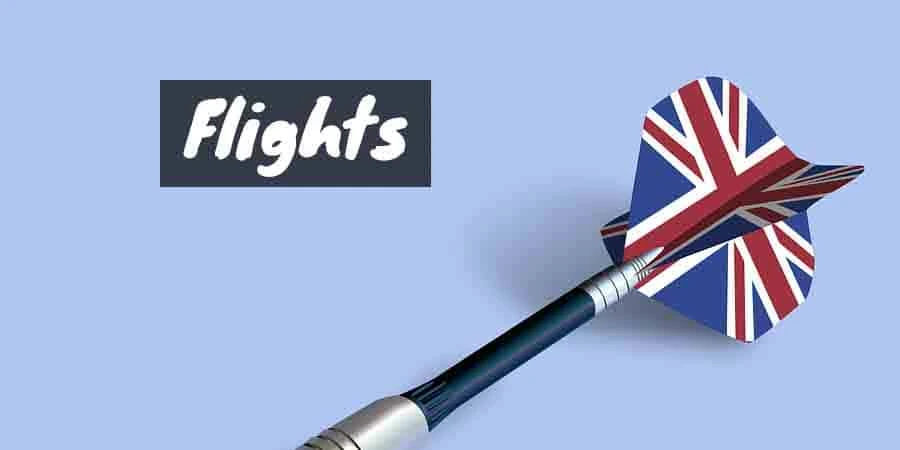
A flight is the dart's tail fin, and its whole job is drag and stability. It pushes back against the air just enough to keep the point leading and to smooth out wobble from an imperfect release.
More surface area means more drag and more correction. Less area means a flatter, faster path with less forgiveness.
Every choice below is tuning that one trade-off. The right flight gives your throw exactly as much correction as it needs — no more.
The Four Main Shapes
Manufacturers sell dozens of outlines, but four families cover nearly everything on the wall. Our deeper guide to dart flights digs into the rest; this is the practical map.
| Shape | Drag | Flight path | Best for |
|---|---|---|---|
| Standard (No. 2) | Highest | Stable, forgiving arc | Most steel-tip players, heavier darts |
| Kite | Medium-high | Steady, slightly flatter | Players between standard and slim |
| Pear / teardrop | Medium | Smooth mid-size arc | Soft-tip players, lighter darts |
| Slim | Lowest | Flat and fast | Hard throwers, crowded treble beds |
Standard flights carry the most surface area, which makes them the most stable and the default for most steel-tip players. Slim flights trade that forgiveness for a flatter, faster path and more room when you're stacking darts in one bed.
Kite shapes sit between the two, with their area shifted toward the back. Pear flights are the rounded middle ground that soft-tip players and lighter darts tend to favor.
How to Pick Your Size
Rule of thumb: heavier darts and soft, loopy throws want bigger flights. Lighter darts and hard, flat throws want smaller ones.
Not sure which thrower you are yet? Start standard — it's easier to read your game with a forgiving flight than to fight a twitchy slim one.
Matching Flights to Shafts and Weight
Flights never work alone — they balance against your shaft length and barrel weight. A big flight on a short shaft can overcorrect, while a slim flight on a long shaft may never tame the extra leverage.
Safe starting pairings: standard flights with medium shafts, slim flights with short shafts. From there, change one variable at a time and watch how the dart lands.
The dart's angle in the board is your feedback loop. A tail sagging below the point usually wants more flight area or a shorter shaft, while a nose-down dive can mean too much drag for your release.
Materials and Durability
Most flights are polyester film — "poly" — cheap, light, and consistent. Nylon and textured dimplex-style flights add a bit of durability and extra drag.
If you crumple flights fast, thicker 100–150 micron poly holds its shape longest. It costs a little more and survives a lot more.

- 120 flights in 40 designs keep backups on hand for every session
- Thick polyester construction bends less and outlasts standard flights
- Fits steel tip and soft tip darts with any standard shaft
Molded one-piece flight systems lock into matching shafts and never pop out, at a higher price. They're worth a look if you're tired of re-seating flights every third throw.
Whatever you buy, a flight punch tool is one of the cheapest upgrades in darts. The small ring it fits keeps the flight seated square in the shaft.
Mistakes That Cost You Points
The biggest one is copying a pro's setup instead of tuning your own. Their flight suits their release, not yours.
The second is throwing damaged flights. A creased or torn flight flies differently on every throw, which quietly wrecks your feedback loop.
The third is changing flights, shafts, and weight all at once. You'll never know which change did what.
Quick Answers
How often should you replace flights?
When they're creased, torn, or won't hold a crisp 90-degree cross — for regular players, that can be every few sessions. They cost pennies, so replace them early.
Do flights matter more than shafts?
They interact, but flights carry the bigger aerodynamic effect. Tune flight shape first, then fine-tune shaft length.
What's the best flight for a beginner?
Standard poly flights. Maximum forgiveness while your throw settles, and you can slim down later.
Buy two shapes tonight, throw fifty darts with each, and keep the one that lands flattest.
Dart Flights: Tiny Plastic, Huge Difference
Shaft Length: The Tweak That Fixes Grouping