
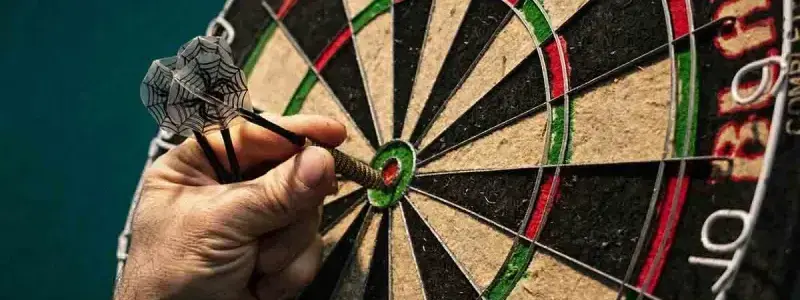
Nine Lives: Climb the Board or Lose One
The 7 looks wide as a dinner plate right up until your third dart drifts into the 19 beside it. That's a life gone — your second this game — and the chalker's already reaching for the board.
Nine Lives takes the familiar climb of Around the Clock and puts survival stakes on it. Work through the numbers in order, lose a life every turn you whiff, and the last player with lives left wins.
What You Need
A standard dartboard, three darts per player, and something to keep score on — chalkboard, whiteboard, or a phone. The scoreboard needs three things per player: name, current number, and lives remaining.
Keep it neat and visible. A clearly kept board settles arguments before they start.
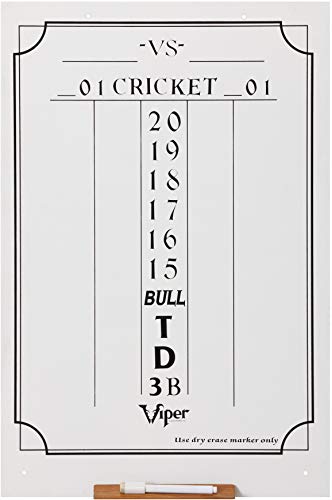
- Purpose-made layout tracks Cricket and 01 games at a glance
- Smooth surface works with any dry erase marker, and one comes included
- Mounting hardware is included for easy setup on a wall or cabinet door
Setting Up
Every player starts with the same stack of lives. The name says nine, but plenty of groups deal three instead to keep games quick — agree on the count before anyone throws.
Chalk the names, set everyone's target at 1, and pick a throwing order. That's the whole setup.
The Rules
On your turn, you throw three darts at your current target number, starting at 1. Land any dart in that number and you advance to the next number on your next visit.
Any part of the segment counts — single, double, or treble all do the job. Some groups let a double jump you forward two numbers, but that's a house rule, not the standard.
Miss with all three darts and you lose one life. Lose your last life and you're out of the game.
How You Win
The winner is the last player with lives remaining, or the first to hit 20 — with a bull to finish, if your group plays that ending. In bigger groups, the game almost always ends by elimination first.
A Turn in Action
Say you're parked on 5 with two lives left. Dart one sails high into the 20, dart two clips the single 5 — you're safe, and you'll open your next visit shooting at 6.
Now imagine all three darts miss instead. You drop to one life, you stay stuck on 5, and your next turn suddenly matters a lot more.
Strategy
Make Dart One Count
Your first dart sets up the whole turn. Give it your full stance and routine, because a lazy opener leaves you two darts from losing a life.
It's the same one-target pressure as a checkout dart — no substitutes, no bailouts. Practice throwing at called numbers, not just the 20, and that pressure stops feeling strange.
Respect the Low Numbers
Targets like 1, 3, and 7 sit next to big segments, and nerves make players steer away from the trouble zones. Aim at the dead center of the segment and trust your grip and release instead of guiding the dart.
Play the Life Count
With nine lives, an early stumble costs you almost nothing — don't tilt over it. With three lives, every visit is a knife fight from the opening throw.
Common Variations
- Bullseye finish: after clearing 20, you must hit a bull to win.
- Double trouble: only doubles advance you, and lives vanish fast.
- Reprieve: hitting a treble of your target restores one lost life.
Nine Lives vs. Killer
They sound similar, but Killer darts has players claim a number and knock lives off each other directly. Nine Lives is a survival ladder — the board is your only opponent until the eliminations start.
How Many Players Work Best?
Three to eight is the sweet spot, and the elimination drama builds as the group grows. Two-player Nine Lives works, but the straight race of Around the Clock is usually more fun head-to-head.
Chalk up your lives, start at 1, and don't let a low number take your last one.
Legs: Beat the Last Score or Die Trying
Around the World: Simple Game, Ugly Truths