Tungsten %: The Number Sellers Hide Behind
Ninety percent, the sticker on the dart case brags, and the price jumps accordingly. Ninety percent of what, though — and does that number actually earn you anything at the oche?
That number is the tungsten percentage, and it's printed on nearly every serious dart on the market. Here's what it really means, what it buys you, and how much of it your game actually needs.
What the Percentage Actually Means
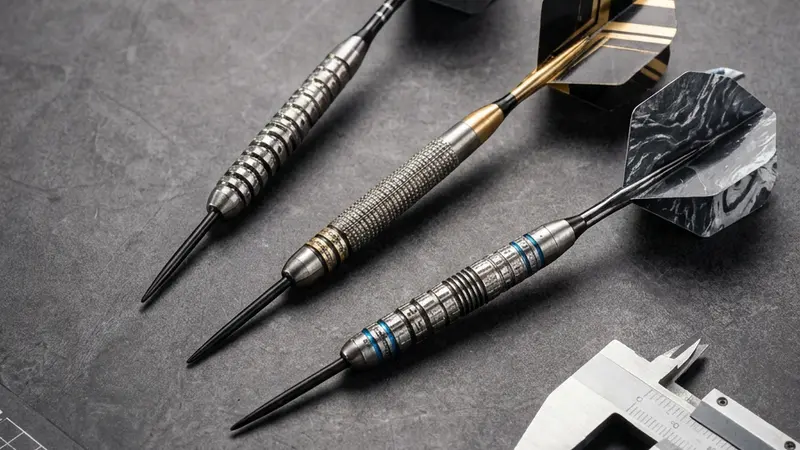
Dart barrels aren't pure tungsten, because the metal is too brittle to machine on its own. Barrels are made from a sintered alloy of tungsten mixed with a binder — usually nickel, sometimes copper or iron.
A "90% tungsten" dart is 90% tungsten by weight, with the binder making up the rest. Common grades run from 80% up to around 95–97%.
Why Tungsten in the First Place
Tungsten's selling point is density — roughly one and a half times that of lead, and far beyond brass. Dense metal packs the same weight into less volume, which is the whole story behind brass vs nickel vs tungsten darts.
In practice, a 24-gram dart can be machined into a slim pencil instead of a fat cigar. Slim barrels block less of the target, deflect off each other less, and let three tight darts physically share one bed.
That's the entire value proposition. Tungsten doesn't fly straighter or feel magic — it just buys you slimness per gram.
What a Higher Percentage Buys You
More tungsten means higher density, so a 95% barrel is slimmer than an 85% barrel of the same weight and shape. Higher-grade alloys also tend to hold their machined grip rings and cuts longer.
The gains shrink as you climb, though. Brass to 80% tungsten is a dramatic jump; 90% to 95% is a small fraction of a millimeter off the barrel's diameter.
Price climbs steeply at the top end. You're paying a premium for margins only tight, three-in-a-bed shooters will ever notice.
What Percentage Should You Buy?
Match the spec to your level, not to the marketing.
| Tungsten grade | Best for | Why |
|---|---|---|
| 80–85% | New players | Huge upgrade from brass at a modest price |
| 85–90% | Regular players | The sweet spot of slimness, durability, and cost |
| 90%+ | Advanced players | Slimness that pays off once your groupings are tight |
If you're at the start of that ladder, our guide to the best darts for beginners narrows the field. The 85–90% band is where much of the market lives for good reason.
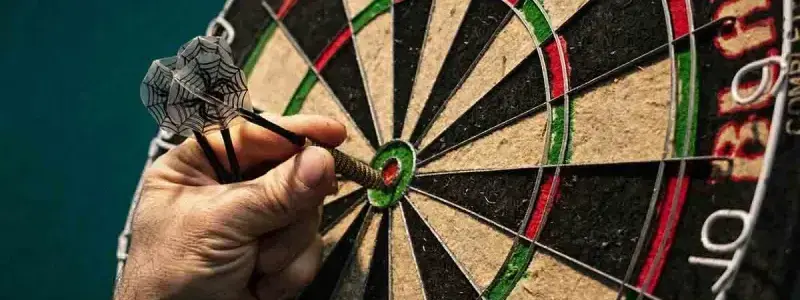
Many professional players throw 90–95% barrels, but they're stacking three darts in a bed the size of a stamp. Their constraint isn't yours yet.
Don't Let the Number Do Your Shopping
Percentage isn't a quality guarantee. Two 90% darts can differ wildly in machining precision, grip design, and how honestly the stated spec is honored.
Buy from established brands, and treat suspiciously cheap "95% tungsten" listings with the skepticism they've earned. Weight, shape, and grip still matter more to your scores than the last five percentage points.

- Durable nylon exterior keeps moisture away from your darts
- Nine pockets and a storage tube organize tips, flights, and small accessories
- Foam-cushioned insert protects a full set of darts in transit
Quick Answers
Is a higher tungsten percentage always better?
Denser, yes; better for you, not necessarily. Past roughly 90%, you're paying real money for marginal slimness most players can't exploit.
Do tungsten darts wear out?
The barrel itself lasts decades, but grip cuts slowly polish smooth with use. Higher-grade alloys generally resist that wear better.
Are tungsten darts worth it over brass?
For anyone playing weekly, yes. The slimmer, tougher barrel is the single biggest equipment upgrade in darts.
Buy the percentage that matches your game today — chase the last few points only when your groupings demand it.
Dart Metals: You're Throwing the Wrong One
What Darts the Pros Throw: The Real Specs