
Going Pro in Darts: The Brutal Honest Path
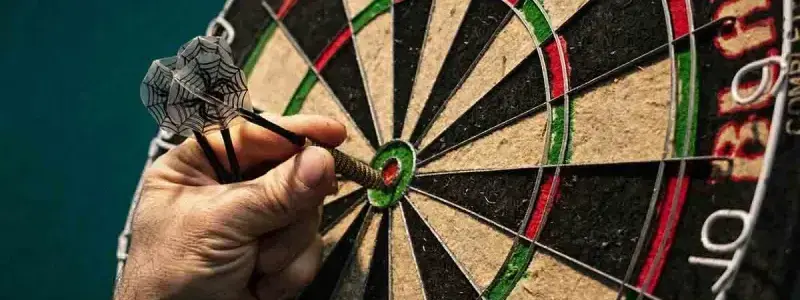
One dart stands between an unknown and a PDC Tour Card, and it drifts a wire's width above double 16. Every January at Q School, some version of that heartbreak plays out over and over.
There's no academy system that hands out darts careers. The road to the professional tour is open to anyone — which is both the best and the hardest thing about it.
Step 1: Build a Repeatable Game
Before tours and formats matter, your throw has to hold up for hours. That means a grip, stance, and release you can trust when you're tired.
Practise with structure, not just casual legs. Run doubles work, checkout combinations, and scoring drills through a proper practice routine, and track your averages honestly.
What Standard Do You Need?
Pros hit high scoring averages and finish under pressure, night after night. A rough benchmark: if you're not regularly winning local opens, you're not close yet — and that's normal, because the gap between good pub player and touring pro is enormous.
Competitive play is how you close that gap. Pressure exposes flaws that solo practice never will.
Step 2: Climb the Competitive Ladder
The traditional path runs through local leagues, county darts, and open tournaments. Each step up brings better opponents and better information about where you really stand.
Young players get an extra lane through junior organisations and the PDC Development Tour. Several current stars came through those systems as teenagers.
Step 3: Q School and the Tour Card
The main gateway to the professional PDC circuit is Qualifying School, held every January. Anyone of eligible age can enter by paying the fee, and the best performers across the event win Tour Cards.
A Tour Card lasts two years and unlocks Players Championship events, with routes toward televised tournaments. Fall short and your results can still earn access to the Challenge Tour, the secondary circuit.
Life With a Tour Card
A card is a licence to compete, not a salary. Travel, hotels, and entry fees come out of your own pocket while you earn only what you win, so early tour life often runs at a loss.
Keeping the card is its own fight. Win too little ranking money across the two years and you're back at Q School.
Step 4: Treat It Like a Job
The players who survive treat darts as full-time work: structured daily practice, fitness and sleep habits, and honest review of their stats. Many also build income from exhibitions and sponsorships while their ranking grows.
Equipment matters less than people think, but it should be settled. Find a setup that suits you and stop tinkering with it every bad week.

- Built to official tournament specifications for serious practice and match play
- Dual-density core improves dart retention and keeps the board playing consistently
- Ultra-thin wiring increases the scoring area and cuts down on bounce-outs
Common Mistakes
- Turning pro on the strength of one hot tournament
- Practising scoring while neglecting doubles and combination finishes
- Ignoring the financial runway needed for the first year or two
- Changing darts, grip, or throw after every rough patch
- Hiding in comfortable solo practice instead of competing
Going Pro FAQs
How long does it take?
There's no fixed timeline — some players win a Tour Card young, while others grind through counties for a decade. The constant is years of structured practice before anyone becomes an "overnight" success. The earlier rungs come faster — reaching local-league standard typically takes one to two years of the same deliberate work.
Do I need a coach?
Plenty of pros are self-taught, but honest feedback from strong players shortens the road. At minimum, film your throw and review it critically.
Tonight, play one full 501 leg on your own and don't stop until the winning double goes in — then write down how many darts it took.
What Darts Pros Really Earn (Brace Yourself)
Join a Darts League (They Want You, Really)