
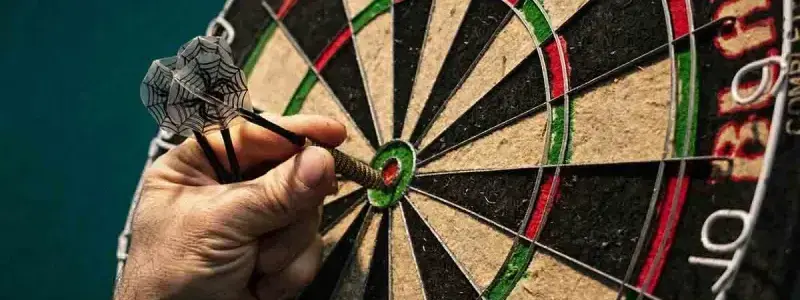
Join a Darts League (They Want You, Really)
Tuesday night, seven sharp, and the first question a stranger asks is whether you throw steel or soft tip. By last orders they've fixed your grip, bought you a drink, and pencilled you in as a sub for next week.
That's darts league culture in a nutshell. Joining is easier than most people assume — here's how to find a league, sign up, and know what you're walking into.
Where to Find a League
You don't need connections, just a little looking:
- Pubs and bars with dartboards — ask the bartender if a league plays there and who runs it
- Local darts association websites and social media groups — most towns with a darts scene have one
- Soft-tip machines in bars — electronic boards often display league info, and the machine operators run leagues on them
- Dart supply shops — staff usually know every league in the area
Can't find a team? Ask for the league secretary's contact, because most leagues happily place new players with teams that need bodies.
Steel Tip or Soft Tip?
Steel-tip leagues play on traditional bristle boards, usually games like 501 and cricket. Soft-tip leagues run on electronic boards that score automatically, which plenty of beginners find friendlier.
Neither is "better". Join whichever plays near you on a night you can actually make — the skills transfer both ways.
How Signing Up Works
Most leagues run in seasons, often fall through spring, with registration opening a few weeks before play starts. Expect a modest league fee, plus sometimes small weekly dues that fund trophies and the end-of-season banquet.
You'll either join an existing team, form one with friends, or get placed as a substitute. Subbing makes a great first season — real matches, zero pressure to anchor a lineup.
What a League Night Looks Like
A typical night is a team match built from individual and doubles games, usually 501 and cricket. Matches run a couple of hours with players rotating through the lineup.
Everyone takes a turn keeping score, and you'll be expected to learn chalking eventually. Between games it's mostly conversation — a quick read of darts etiquette covers the rest.
What to Bring
The list is short:
- Your own darts (any decent beginner set is fine)
- Spare flights and tips, because they break at the worst moments
- League dues, if yours collects weekly
The venue supplies the boards, and teammates will lend gear until you settle on your own setup.

- Durable nylon exterior keeps moisture away from your darts
- Nine pockets and a storage tube organize tips, flights, and small accessories
- Foam-cushioned insert protects a full set of darts in transit
Am I Good Enough to Join?
Yes. Leagues have divisions, lower divisions are full of casual players, and nobody expects a newcomer to hit tons — just to show up and take your turn.
How Much Practice Do I Need?
Enough to hit the board consistently and score a leg without help. Sneak in some doubles practice too, since most league games end on one.
What If I Can't Make Every Week?
Tell your captain early — that's exactly what substitutes are for. Reliable communication matters more to a team than a high average.
Find one venue with a board this week and ask one bartender one question — that's usually all it takes to be on a roster by next season.
Darts Etiquette: Rules Nobody Says Out Loud
Going Pro in Darts: The Brutal Honest Path