
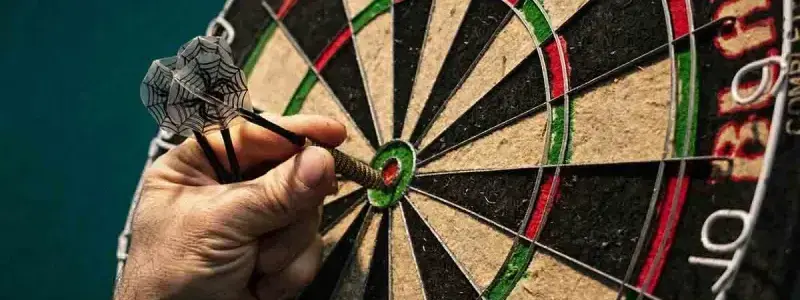
Checkout Chart: Every Finish From 170 Down
One hundred and seventy left, three darts in your hand, and the whole room already leaning in — everyone knows it's the biggest finish in darts. Two treble 20s and a bullseye later the leg's over, and the chart in your head just paid for itself.
How to Read a Checkout Route
A checkout is a combination of up to three darts that takes your score exactly to zero, ending on a double. In the tables below, T means treble, D means double, a plain number means the single, and Bull is the 50 — which counts as a double.
So "T20, T19, D12" reads: treble 20, then treble 19, then double 12. Routes are listed in throwing order, the last dart is always the double, and that's a hard requirement under standard 501 rules.
The Big Finishes: 170 Down to 121
These are the glamour checkouts, and each one needs three big darts. Seven scores in this range are bogey numbers — no combination of three darts can finish them at all.
| Score | Route |
|---|---|
| 170 | T20, T20, Bull |
| 169 | Bogey — no 3-dart finish |
| 168 | Bogey — no 3-dart finish |
| 167 | T20, T19, Bull |
| 166 | Bogey — no 3-dart finish |
| 165 | Bogey — no 3-dart finish |
| 164 | T20, T18, Bull |
| 163 | Bogey — no 3-dart finish |
| 162 | Bogey — no 3-dart finish |
| 161 | T20, T17, Bull |
| 160 | T20, T20, D20 |
| 159 | Bogey — no 3-dart finish |
| 158 | T20, T20, D19 |
| 157 | T20, T19, D20 |
| 156 | T20, T20, D18 |
| 155 | T20, T19, D19 |
| 154 | T20, T18, D20 |
| 153 | T20, T19, D18 |
| 152 | T20, T20, D16 |
| 151 | T20, T17, D20 |
| 150 | T20, T18, D18 |
| 149 | T20, T19, D16 |
| 148 | T20, T16, D20 |
| 147 | T20, T17, D18 |
| 146 | T20, T18, D16 |
| 145 | T20, T15, D20 |
| 144 | T20, T20, D12 |
| 143 | T20, T17, D16 |
| 142 | T20, T14, D20 |
| 141 | T20, T19, D12 |
| 140 | T20, T20, D10 |
| 139 | T20, T13, D20 |
| 138 | T20, T18, D12 |
| 137 | T20, T19, D10 |
| 136 | T20, T20, D8 |
| 135 | T20, T17, D12 |
| 134 | T20, T14, D16 |
| 133 | T20, T19, D8 |
| 132 | T20, T16, D12 |
| 131 | T20, T13, D16 |
| 130 | T20, T18, D8 |
| 129 | T19, T16, D12 |
| 128 | T18, T14, D16 |
| 127 | T20, T17, D8 |
| 126 | T19, T19, D6 |
| 125 | T20, T15, D10 |
| 124 | T20, T16, D8 |
| 123 | T20, T13, D12 |
| 122 | T20, T14, D10 |
| 121 | T20, T15, D8 |
120 Down to 101: Treble, Single, Double
Every score in this band follows one pattern: a treble 20 (or treble 19), a single to tidy up, then your double. Learn the pattern and the whole band comes for free.
| Score | Route |
|---|---|
| 120 | T20, 20, D20 |
| 119 | T20, 19, D20 |
| 118 | T20, 18, D20 |
| 117 | T20, 17, D20 |
| 116 | T20, 16, D20 |
| 115 | T20, 15, D20 |
| 114 | T20, 14, D20 |
| 113 | T20, 13, D20 |
| 112 | T20, 12, D20 |
| 111 | T20, 11, D20 |
| 110 | T20, 10, D20 |
| 109 | T20, 9, D20 |
| 108 | T20, 8, D20 |
| 107 | T19, 10, D20 |
| 106 | T20, 6, D20 |
| 105 | T20, 5, D20 |
| 104 | T20, 4, D20 |
| 103 | T19, 6, D20 |
| 102 | T20, 10, D16 |
| 101 | T17, 10, D20 |
100 Down to 61: Two Darts Can Do It
One treble that leaves your favorite double finishes anything here. The guiding rule: an odd score needs an odd first dart (odd treble or odd single) to leave an even number, because you can't split an odd score into doubles alone.
| Score | Route |
|---|---|
| 100 | T20, D20 |
| 99 | T19, 10, D16 |
| 98 | T20, D19 |
| 97 | T19, D20 |
| 96 | T20, D18 |
| 95 | T19, D19 |
| 94 | T18, D20 |
| 93 | T19, D18 |
| 92 | T20, D16 |
| 91 | T17, D20 |
| 90 | T18, D18 |
| 89 | T19, D16 |
| 88 | T20, D14 |
| 87 | T17, D18 |
| 86 | T18, D16 |
| 85 | T15, D20 |
| 84 | T20, D12 |
| 83 | T17, D16 |
| 82 | T14, D20 |
| 81 | T19, D12 |
| 80 | T20, D10 |
| 79 | T19, D11 |
| 78 | T18, D12 |
| 77 | T19, D10 |
| 76 | T20, D8 |
| 75 | T17, D12 |
| 74 | T14, D16 |
| 73 | T19, D8 |
| 72 | T16, D12 |
| 71 | T13, D16 |
| 70 | T18, D8 |
| 69 | T19, D6 |
| 68 | T20, D4 |
| 67 | T17, D8 |
| 66 | T10, D18 |
| 65 | T19, D4 |
| 64 | T16, D8 |
| 63 | T13, D12 |
| 62 | T10, D16 |
| 61 | T15, D8 (or 25, D18) |
Note 99: the treble still leaves too much for one dart, so it's the one score in the band that usually takes all three. T19 leaves 42, then 10 sets up D16.
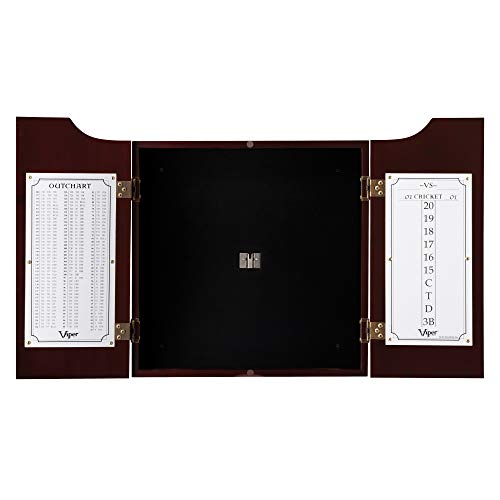
- Solid pine construction with box joints and bronze hinges is built to last
- Main compartment fits all official tournament-sized bristle dartboards
- Dry erase scoreboard and out-chart on the doors keep scoring close at hand
60 Down to 41: Single, Then Your Double
No trebles needed — just the single that leaves your preferred double. Pros love leaves of 32 and the other powers of two, because a near-miss often keeps you on an even number.
| Score | Route |
|---|---|
| 60 | 20, D20 |
| 59 | 19, D20 |
| 58 | 18, D20 |
| 57 | 17, D20 |
| 56 | 16, D20 (or 24, D16) |
| 55 | 15, D20 |
| 54 | 14, D20 |
| 53 | 13, D20 |
| 52 | 12, D20 |
| 51 | 11, D20 |
| 50 | 10, D20 |
| 49 | 9, D20 |
| 48 | 8, D20 |
| 47 | 7, D20 |
| 46 | 6, D20 |
| 45 | 5, D20 |
| 44 | 4, D20 |
| 43 | 3, D20 |
| 42 | 10, D16 |
| 41 | 9, D16 |
40 Down to 2: Straight at a Double
Any even score of 40 or below is one dart: halve it and throw at that double. Miss D16 into single 16 and you're on D8, miss that into 8 and you're on D4 — that clean halving is why so much of winning 501 strategy funnels toward 32.
| Even score | Double |
|---|---|
| 40 | D20 |
| 38 | D19 |
| 36 | D18 |
| 34 | D17 |
| 32 | D16 |
| 30 | D15 |
| 28 | D14 |
| 26 | D13 |
| 24 | D12 |
| 22 | D11 |
| 20 | D10 |
| 18 | D9 |
| 16 | D8 |
| 14 | D7 |
| 12 | D6 |
| 10 | D5 |
| 8 | D4 |
| 6 | D3 |
| 4 | D2 |
| 2 | D1 |
Stuck on an odd number? Hit a small single first to leave a double you like — on 19, take single 3 to leave D8.
| Odd score | Route |
|---|---|
| 39 | 7, D16 |
| 37 | 5, D16 |
| 35 | 3, D16 |
| 33 | 1, D16 |
| 31 | 15, D8 |
| 29 | 13, D8 |
| 27 | 11, D8 |
| 25 | 9, D8 |
| 23 | 7, D8 |
| 21 | 5, D8 |
| 19 | 3, D8 |
| 17 | 9, D4 |
| 15 | 7, D4 |
| 13 | 5, D4 |
| 11 | 3, D4 |
| 9 | 1, D4 |
| 7 | 3, D2 |
| 5 | 1, D2 |
| 3 | 1, D1 |
How to Memorize the Chart
Don't memorize 170 separate numbers — memorize the handful of habits the whole chart is built from. Everything above collapses into a few patterns.
- Learn the four bull finishes (170, 167, 164, 161) and the seven bogey numbers as one set
- Treat 121–140 as "T20 plus a treble, ending on your doubles"
- Pick two favorite doubles — say D16 and D20 — and learn the leaves that reach them
- Drill the odd-number rule until it's reflex: odd score, odd first dart
Once the patterns click, the routes stop feeling arbitrary and start feeling inevitable. After that it's pure repetition.
Pin your five most-missed checkouts to the practice board this week and make them boring.
Out Charts: Never Do Checkout Math Again
Setup Shots: The Secret of Smooth Finishers